
The government has been closed for two weeks. President Trump redirected $8 billion in Pentagon research funds to pay troops. The Office of Management and Budget began mass firings over the weekend. Senate Democrats blocked their eighth attempt to reopen government Tuesday. And the president called Senate Minority Leader Chuck Schumer “a weakened politician” who will “finish his career as a failed politician.”
This is constitutional government in 2025 – shutdowns stretching into historic territory, emergency fund transfers bypassing appropriations authority, mass federal employee terminations during funding lapses, and partisan leaders trading insults while basic government functions collapse.
The immediate dispute involves Obamacare subsidies expiring November 1. Democrats demand extension before reopening negotiations. Republicans refuse, insisting government reopen first with subsidy discussions afterward. Neither side shows signs of compromise as the closure enters its third week.
Join the Discussion
The Pressure Points That Aren’t Working
Senate Majority Leader John Thune calculated that military pay deadlines would force Democratic capitulation. Trump’s workaround using Pentagon research funds eliminated that pressure. The next potential pressure point arrives October 20 when Senate staffers face missed paychecks.
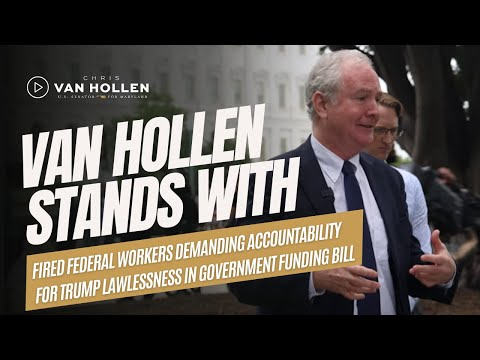
Trump’s weekend directive to begin reduction in force proceedings – mass federal employee terminations – was supposed to demonstrate resolve. Instead, it hardened Democratic opposition. Senator Chris Van Hollen rallied outside OMB Tuesday demanding Trump “stop inflicting harm and terrorizing federal employees.”
Both sides assumed the other would crack under pressure. Fourteen days in, neither assumption has proven accurate.
What Democrats Actually Want
Enhanced ACA subsidies that reduce health insurance premiums for millions of Americans are set to expire. Open enrollment begins November 1. Without extension, premiums could increase by roughly 75% for families who rely on tax credits to afford coverage.
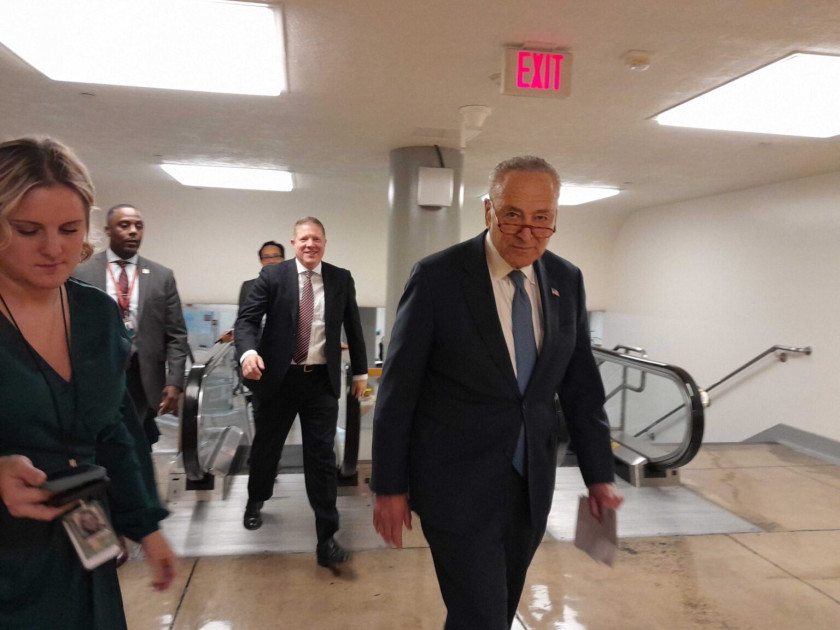
Democrats argue the timeline makes subsidy extension urgent – waiting until after government reopens could mean enrollment happens under old subsidy levels with no ability to adjust. Schumer noted that Republicans haven’t advanced any demands of their own, only blocked Democratic requests.
Thune responded: “Negotiation is what you do when each side has a list of demands. Republicans haven’t put forward any demands. Only Democrats have made demands. And by the way, very expensive demands.”
The framing is deliberate. Republicans cast themselves as reasonable actors simply wanting to reopen government. Democrats are portrayed as holding government hostage for expensive healthcare expansion.
But the subsidies exist in current law. They’re expiring through sunset provisions, not new proposals. Extending them maintains status quo rather than creating new programs.
The Mass Firings That Started Over the Weekend
Federal agencies began formal reduction in force proceedings over the weekend, targeting thousands of furloughed employees. RIF procedures allow agencies to permanently terminate positions during extended funding lapses, converting temporary furloughs into permanent job loss.
The timing is aggressive. The 2018-2019 shutdown lasted 35 days without triggering mass terminations. The 1995-1996 shutdown lasted 21 days and resolved through negotiation without systematic RIFs.
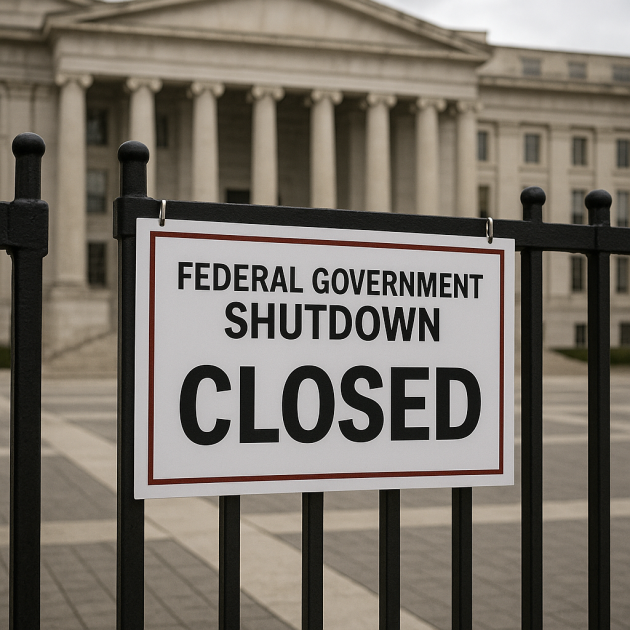
Starting RIF proceedings on day 14 signals this shutdown serves purposes beyond budget negotiations. Trump views extended closure as opportunity to implement desired federal workforce reductions without normal civil service protections.
Federal employee unions will likely challenge the terminations, arguing that shutdowns manufactured for political purposes don’t justify permanent workforce reductions. But those legal challenges take months or years while employees face immediate job loss.
The Historic Territory This Enters
The current shutdown becomes the longest full government closure in modern history if it extends beyond 21 days. The 2018-2019 Trump shutdown lasted 35 days but was partial – several appropriations bills had passed, meaning defense, veterans affairs, and legislative operations continued.
This shutdown is comprehensive. No appropriations bills passed before the October 1 deadline. An estimated 1.3 million federal employees are furloughed or working without pay. Every Cabinet department faces operational shutdown.
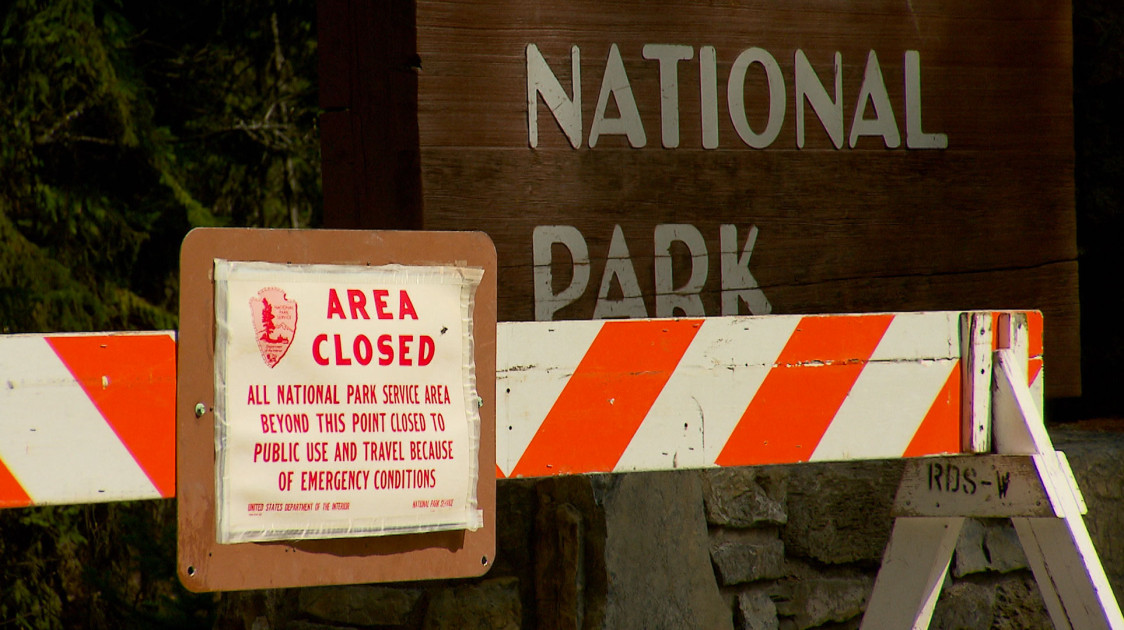
The scale matters because service disruption compounds daily. Parks deteriorate. Safety inspections don’t occur. Research projects lose data. Processing backlogs grow.
Clinton and Gingrich eventually negotiated settlement in 1995-1996 because extended closure made compromise politically necessary. No similar pressure appears operative now.
Why Compromise Seems Impossible
Trump calling Schumer “weakened” and predicting he’ll finish as “a failed politician” represents rhetoric incompatible with negotiated settlement. Leaders who publicly demean opponents create conditions where compromise looks like surrender.
Schumer can’t accept deals after being called weak without appearing to validate Trump’s assessment. Trump can’t negotiate after those statements without seeming to retreat. The rhetoric boxes both sides into stances that preclude resolution.
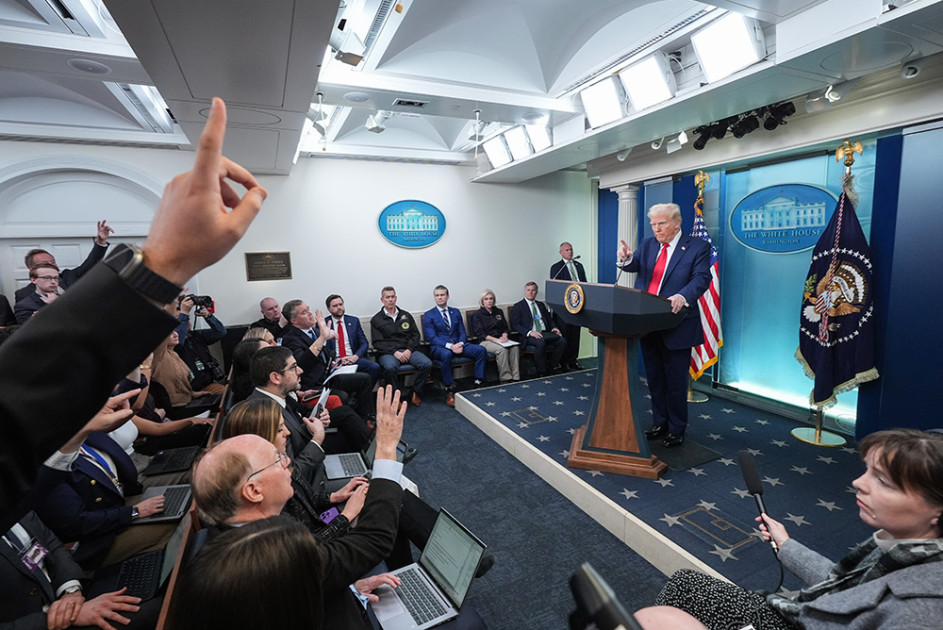
Previous extended shutdowns maintained public civility even during intense negotiation. Clinton and Gingrich traded policy disagreements without personal attacks. The institutional norm was that leaders could fight over policy while maintaining respect enabling eventual compromise.
Trump abandoned that norm. Personal attacks are his preferred tactics. But those tactics work better in real estate than constitutional governance, where both sides must eventually accept deals they don’t love.
The Constitutional Crisis in Plain Sight
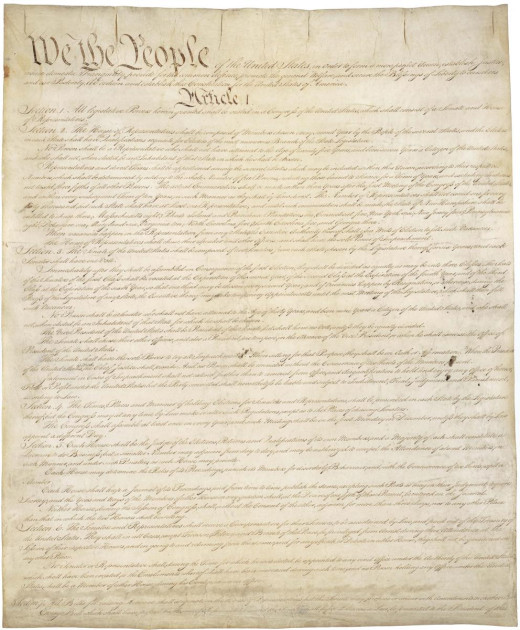
Article I, Section 9 requires that “No Money shall be drawn from the Treasury, but in Consequence of Appropriations made by Law.” The shutdown exists because Congress hasn’t passed that legislation.
But the Constitution doesn’t contemplate indefinite stalemate. It assumes Congress will eventually appropriate funds because government must function. When that assumption fails, the constitutional structure provides no remedy beyond electoral accountability.
That electoral check operates slowly. Members face voters every 2-6 years. Blame remains contested along partisan lines. And leaders on both sides calculate that shutdown serves their electoral interests more than resolution would.
The Founders designed a system requiring compromise to function. They didn’t anticipate parties concluding that dysfunction serves their interests, that voters won’t effectively punish obstruction, and that extended closure could be normalized as routine.
The Federal Employees Who Become Collateral Damage
More than a million federal workers are furloughed or working without pay. They face mortgage payments, car loans, childcare expenses that don’t pause during shutdowns. Previous shutdowns resulted in back pay once government reopened. But Trump’s RIF proceedings threaten to convert temporary furloughs into permanent terminations, eliminating back pay guarantees.
The Constitution’s Fifth Amendment prohibits taking property without due process. Federal salaries constitute protected property interests. Using manufactured shutdowns to permanently terminate employees without normal civil service protections arguably violates due process rights.

But litigating those violations takes years. Workers need paychecks now. Constitutional protections enforced through slow-moving courts provide cold comfort to families facing immediate financial crisis.
The Pressure That Isn’t Building
Two weeks into comprehensive shutdown, public pressure for resolution remains muted. Parks close, services lapse, workers go unpaid – but no mass demonstrations demand Congress act. No overwhelming public outcry forces leadership to negotiate.
The silence reflects troubling reality: Americans have normalized government dysfunction. Shutdowns happen regularly enough that they generate frustration rather than alarm. Partisan voters blame the other side. Independent voters disengage.
That normalization makes extended shutdowns sustainable in ways the Founders never imagined. If public pressure doesn’t build, leaders can maintain stalemates indefinitely while claiming the other side refuses to negotiate.
The constitutional system depends on political accountability operating effectively. When that accountability fails, structural incentives for compromise disappear.
What Happens Next
If the shutdown extends through October 21, it becomes the longest full closure in American history. Trump has weaponized the closure to implement workforce reductions. Democrats have dug in on healthcare subsidies before enrollment opens. And November 1 approaches with no mechanism for resolution apparent.
The service deterioration compounds. Research data is lost. Safety inspections lapse. Every additional day creates recovery costs that persist long after government reopens. The damage isn’t temporary – it compounds and persists.
Trump’s comment that Schumer is “weakened” suggests no compromise is imminent. Schumer’s insistence that Republicans must negotiate suggests Democrats see no reason to capitulate.
Day 14 becomes day 15. The shutdown extends into historic territory. Federal workers face financial ruin. Government services collapse. And the constitutional crisis becomes the new normal.
The Founders designed a system that required compromise to function. They got one where dysfunction serves partisan purposes and no institutional force powerful enough to compel resolution remains operative.
The government stays closed. The Constitution’s appropriations requirement gets ignored. And Americans discover what happens when constitutional structure meets partisan warfare unrestrained by institutional norms or electoral accountability.