
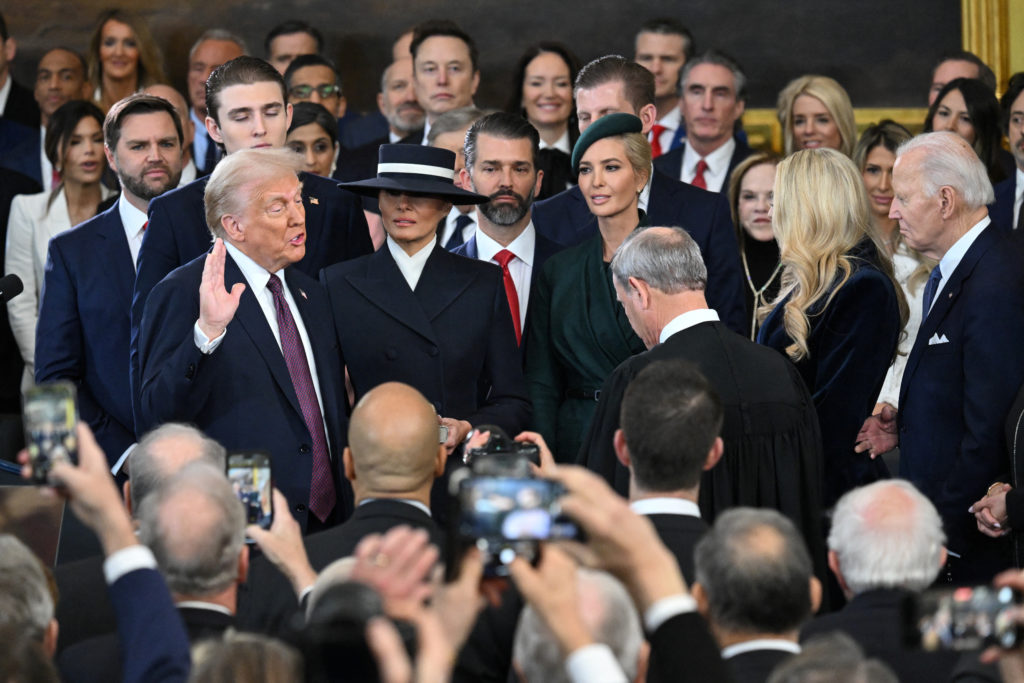
Six months ago, Donald Trump took the oath of office for a second time, inheriting a nation seething with division. This past weekend, the White House released a triumphant accounting of its achievements, declaring it “the most successful first six months in office for any President in modern American history.”
Yet for millions of other Americans, this same period has been a terrifying spectacle, an “unraveling of our country and the rule of law.”
This is not a simple partisan disagreement. It is a portrait of a nation that has fractured into two distinct and irreconcilable realities. To truly assess the state of our union, we must look beyond a list of wins and losses and examine the timeline of the last six months, observing where our constitutional house stands divided, and where, in surprising ways, it finds common ground.
Join the Discussion
A Six-Month Timeline: A Presidency in Action
The first half-year of the new term has been a whirlwind of activity, marked by aggressive executive action, major legislative battles, and growing international crises.
January-February: The term began with a flurry of executive orders aimed at fulfilling core campaign promises. President Trump moved to close the border, end federal DEI programs, and unleash American energy production. His initial Gallup approval rating stood at a solid 47%, reflecting a unified Republican base hopeful for decisive change.
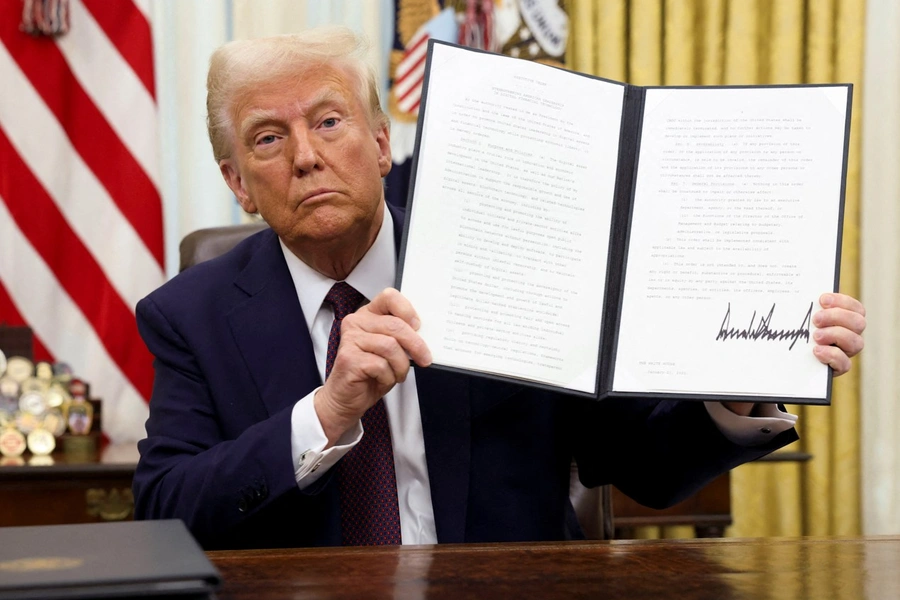
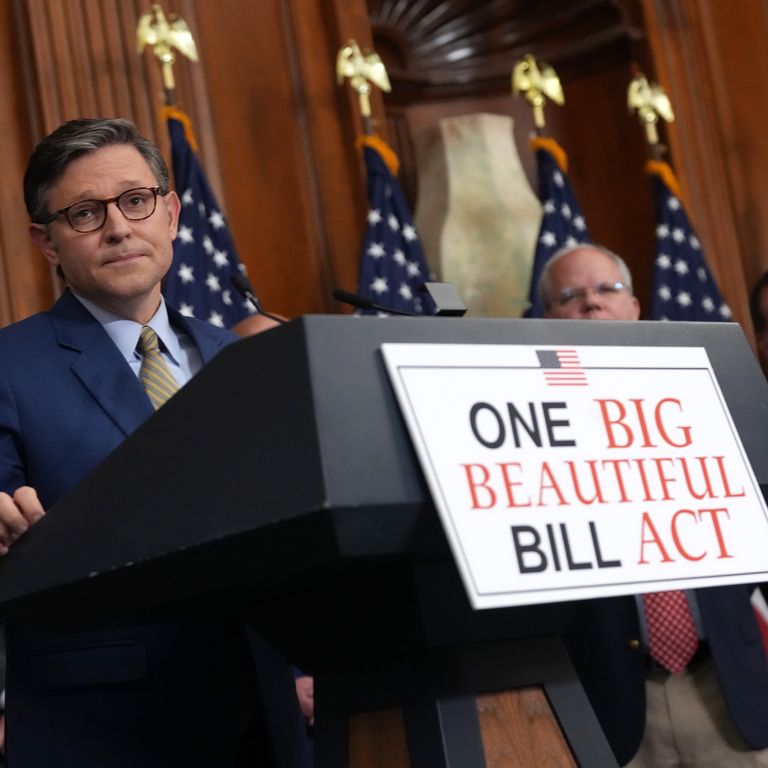
March-April: The administration’s focus turned to reshaping the government itself, with an executive order to begin dismantling the Department of Education through mass layoffs. This sparked immediate legal challenges from nearly two dozen states, setting the stage for a major constitutional battle over executive power. Simultaneously, the White House and congressional Republicans unveiled their legislative centerpiece: the “big, beautiful bill,” a massive tax and spending package.
May-June: The “megabill,” containing historic tax cuts and deep cuts to social spending, narrowly passed both the House and Senate along party lines. This legislative victory was bolstered by a series of favorable Supreme Court rulings that greenlit the administration’s workforce reductions and blocked lower court judges from issuing nationwide injunctions.
Amidst this domestic turmoil, a new crisis erupted abroad as the U.S. was drawn into a direct conflict between Israel and Iran. By the end of June, the President’s approval rating had dipped to 40% in the Gallup poll, reflecting a nation rattled by both domestic and foreign upheaval.
July: The administration brokered a fragile ceasefire between Israel and Iran, a move for which the President was nominated for a Nobel Peace Prize. However, this foreign policy win was immediately overshadowed by controversy at home. The President’s early exit from the G7 summit, the firing of a high-profile federal prosecutor, and the growing fallout over the administration’s handling of the Jeffrey Epstein files dominated the news cycle, creating a crisis of confidence.

Where the House Stands Divided: The Great Controversies
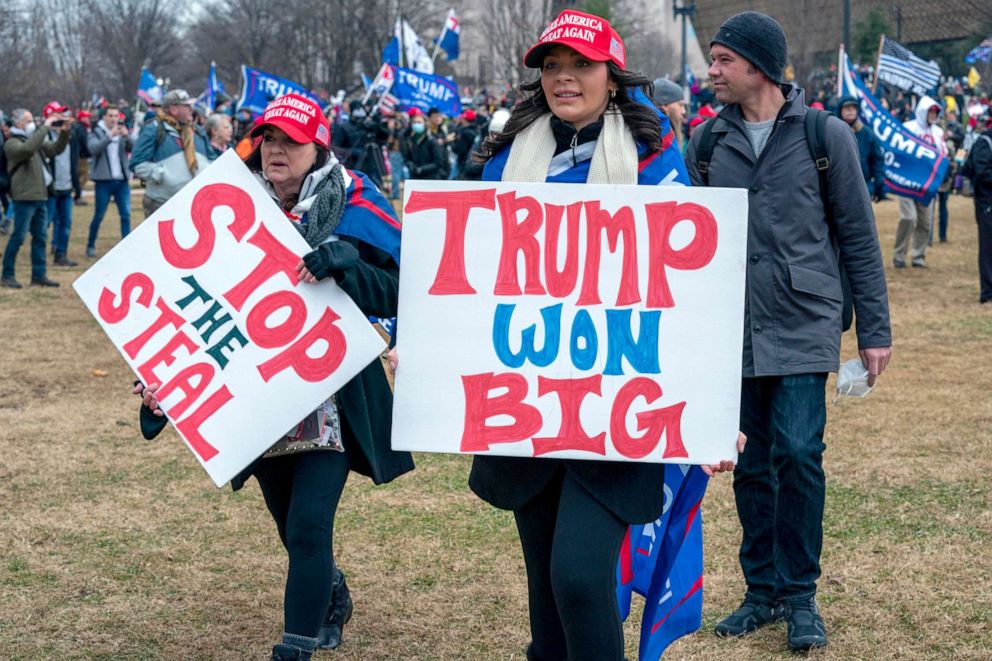
On the most significant policy initiatives of the new administration, the nation is split into two camps living in different constitutional realities.
The President’s aggressive immigration crackdown is a prime example. The administration touts record-low border encounters and a record number of deportation flights as a promise kept. For his supporters, as one Iowa voter put it, “Trump is making progress and standing up for the rights of those who honor our country and our process.”
For his opponents, the very same actions are seen as an unconstitutional abuse of power. A Michigan voter described the administration’s tactics as turning ICE into the “American gestapo” with “no due process.”
Where the House Finds Common Ground
Despite the profound divisions, two issues have emerged where a surprising and telling consensus exists across the political canyon.
First, regardless of whom they voted for, most Americans agree that the cost of living remains frustratingly high. From a Pennsylvania Republican who noted that “inflation still persists” to a Georgia independent who said “housing is still way out of reach,” the economic pressure of daily life is a shared American experience, suggesting the administration’s macroeconomic “wins” have not yet translated into tangible relief.
Second, the administration’s handling of the Jeffrey Epstein files has drawn widespread criticism and suspicion from all sides.
A lifelong Democrat called the administration’s shifting explanations “outrageous but predictable,” while a staunch Trump supporter in New Hampshire, when asked about the President’s handling of the issue, was left “flummoxed,” writing, “NOT SURE at this point. What changed?”
This is a rare moment where the desire for transparency appears to have overridden partisan loyalty, uniting a deeply divided populace in shared distrust.

The six-month verdict is a paradox. The administration has been undeniably successful in executing its agenda. Yet, this success has been achieved by governing for one America, deepening the chasm that separates it from the other.
The ultimate test of a presidency is not whether it keeps its promises to its base, but whether it leaves the constitutional republic stronger and more unified than it found it. After six months, our house is more perilously divided than ever.
A Nation Braces for the Midterms
Looking ahead, the administration shows no signs of slowing its pace. The coming months will likely see continued battles over the implementation of its “megabill,” a concerted push to confirm conservative judicial nominees to the federal bench, and an ongoing effort to assert executive authority in both domestic and foreign affairs.
All of this is set against the backdrop of the approaching 2026 midterm elections, which are already shaping up to be a national referendum on the first two years of this presidency.
Historical precedent suggests a difficult road for the party in power. The central question will be whether the administration’s supporters, energized by the fulfillment of campaign promises, turn out in greater numbers than its opponents, who are motivated by what they see as a constitutional crisis.
Key issues like the persistent high cost of living and the widespread distrust over the Epstein saga could prove to be wild cards, affecting voters on both sides. Ultimately, the 2026 election will provide the first real verdict from the American people on the central question of this term: has the administration’s aggressive agenda put the nation on a path to greatness, or has it fractured the republic in a way that is unsustainable?